Patient guide
Living with a new prosthesis
The first months decide whether a new limb becomes part of your day or ends up in a cupboard. Build up slowly, look after the skin, and tell us early about anything that rubs, slips or hurts.
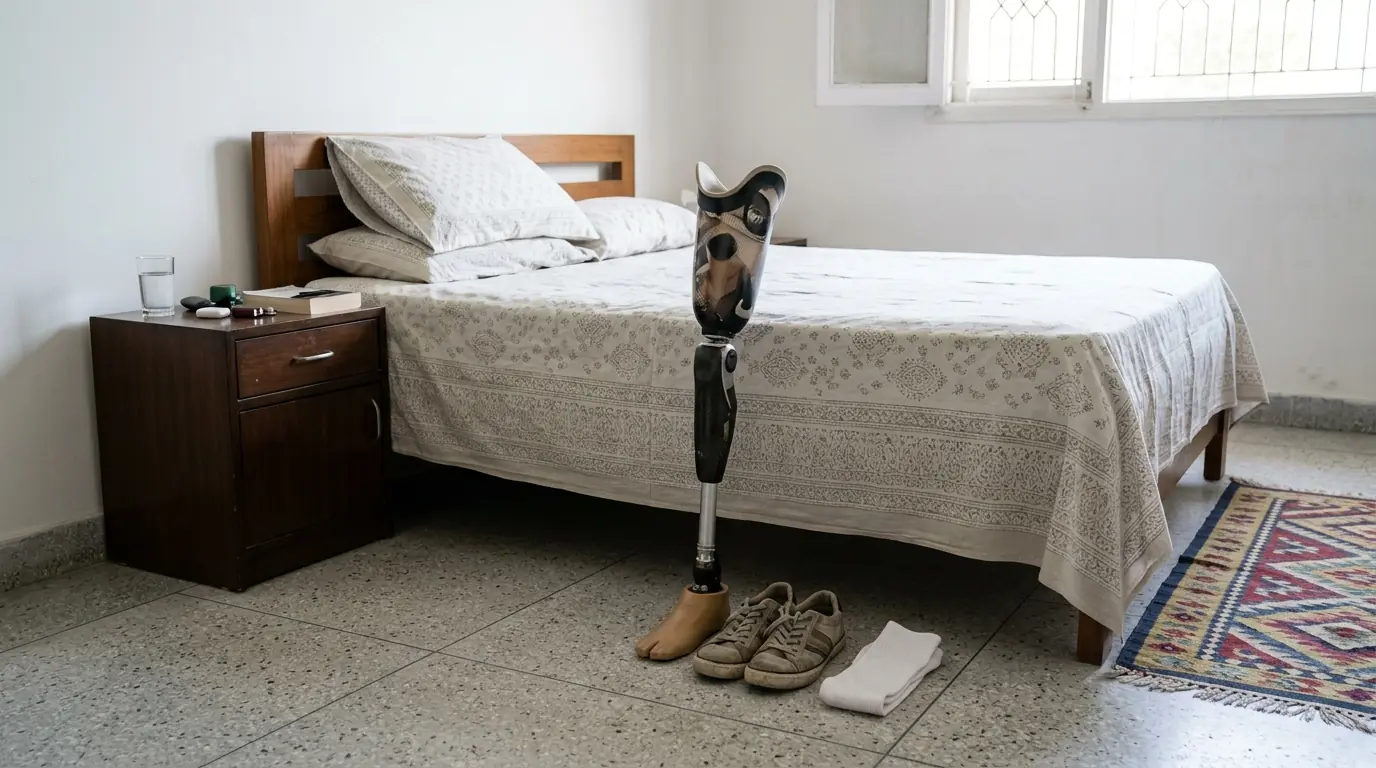
At a glance
- First week
- An hour or two at a time
- Skin check
- Every time it comes off
- Socks
- Add or remove through the day
- Reviews
- 2 weeks, 3 months, 6 months
How long should I wear a new prosthesis each day at first?
Start with an hour or two at a time, a few times a day, checking the skin each time the limb comes off. Most people add an hour or so a day and reach full days within two to three weeks; if red marks last longer than twenty minutes, slow down and call us.
Written and checked by the clinical team at Prosthetic Professionals. Last reviewed October 2026. General information only; your own surgeon or doctor decides when a limb is ready for fitting.
A typical wearing schedule
A starting point; we adjust it for your skin, your limb and your health.
| Week | Wearing time | Walking |
|---|---|---|
| Week 1 | 1 to 2 hours, two or three times a day | Indoors, with support |
| Week 2 | Half days, with breaks | Indoors and short trips outside |
| Week 3 | Most of the day | Outside, steps and slopes |
| Week 4 onwards | All day if the skin is healthy | Normal daily activity |
People with diabetes, fragile skin or a recent amputation often build up more slowly.
Skin care in a hot climate
Sweat is the main enemy of comfortable sockets in Karachi and across the Gulf. Wash the limb and the liner or sock every evening, rinse well and let both dry completely.
Take the limb off for a short rest in the middle of a hot day, dry the skin, and put on a fresh sock. An unscented antiperspirant on the limb at night can help some people; ask us before trying it.
Do not shave the limb, and avoid creams in the morning; they make the skin slippery inside the socket. Moisturise at night if the skin is dry.
- Wash the limb and liner every evening
- Carry a spare sock for hot days
- Moisturise at night, not in the morning
- Never sleep wearing the limb

Prayer, floor sitting and home life
Many people who wear a limb in Pakistan and the Gulf pray five times a day and sit on the floor at home. Below-knee users can usually kneel with some adjustment to the back of the socket. Above-knee users often pray on a chair, or use a rotation adapter and a knee that bends further.
For wudu, a waterproof second leg or a sturdy shower chair keeps you safe on a wet floor. Never hop on wet tiles.
Tell us how you live at home, how you pray and how you sit, and we will set up the limb for it. See waterproof legs and above-knee legs.
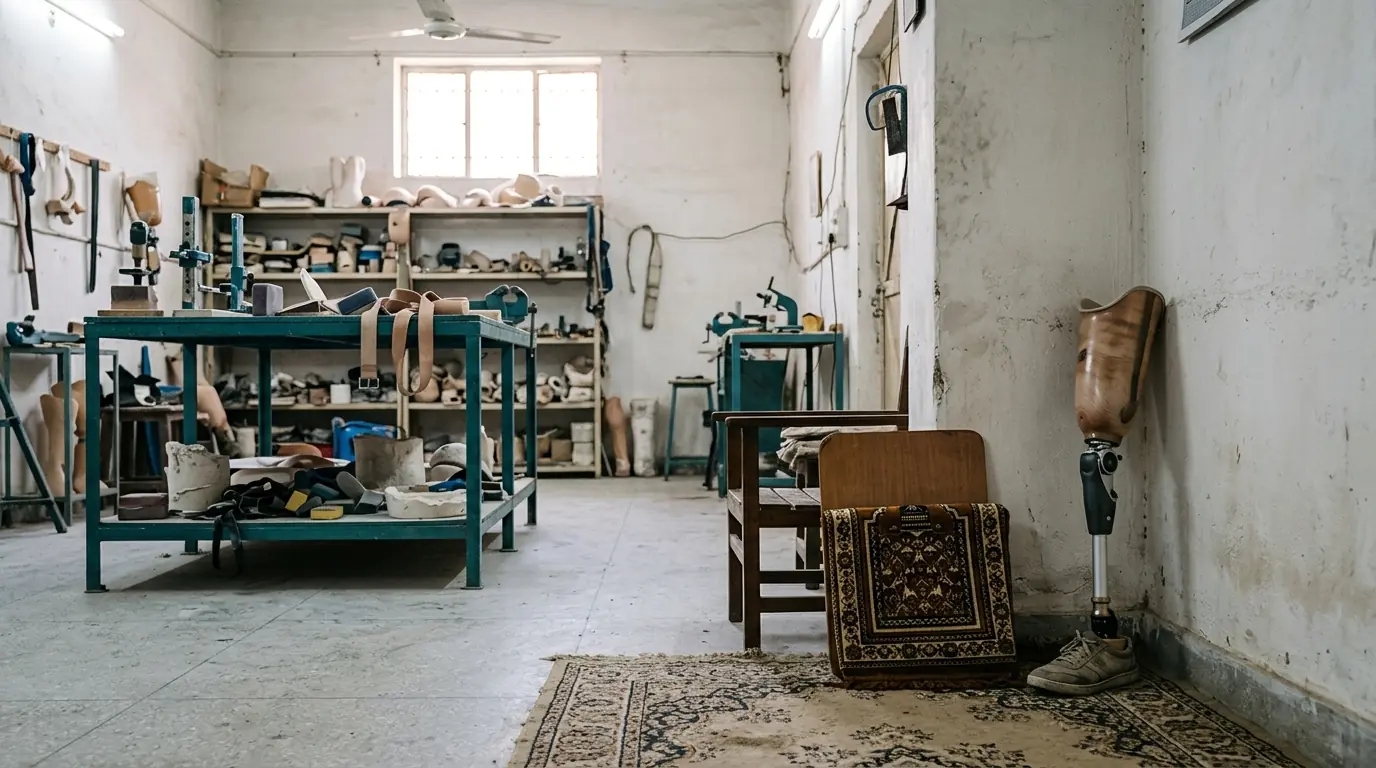
Problems most new users meet
All common, and all worth calling about early.
Phantom sensations
Feeling the missing limb is very common. Pain in it can be eased; talk to your doctor and tell us, because a poor socket fit can make it worse.
A loose socket
As the limb shrinks, add socks. If you need many more than before, the socket needs adjusting or replacing.
Sweat rash
Wash, dry and change socks more often. A rash that spreads or weeps needs a doctor.
Tiredness
Walking on a prosthesis takes more energy. Build up slowly and rest; it gets easier over weeks.
Falls
Practise getting up from the floor in training. Keep floors clear and well lit, especially at night.
Clicking or squeaks
Usually a loose adapter or a worn part. Do not tighten it yourself; bring it in or send a video.
Travel, airports and work
At airports, tell security staff before screening that you wear a prosthesis. Walk-through detectors usually pick it up, and you may be asked for a private check. Keep the limb on unless asked.
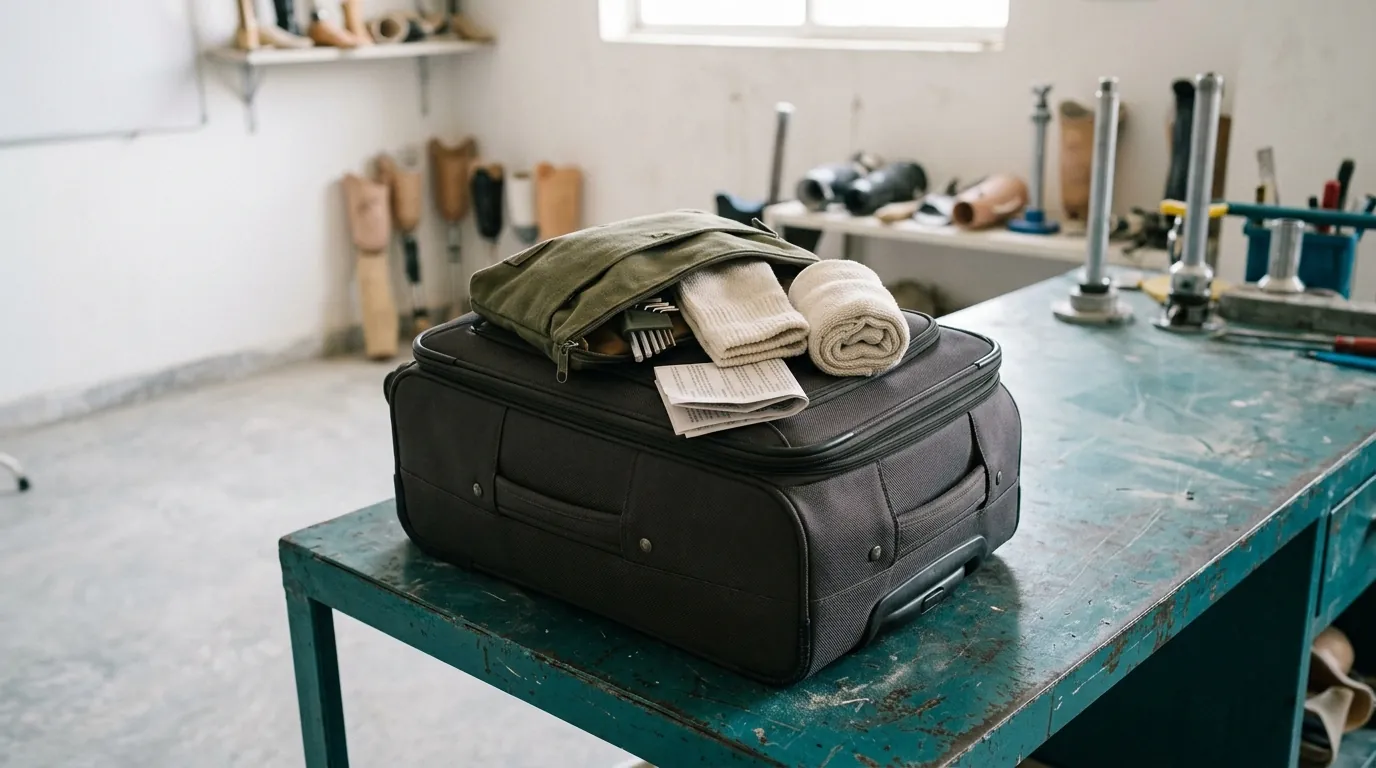
We can give you a short written note describing the limb for travel. Pack spare socks, a spare liner if you have one, and the Allen key that fits your adapters.
Driving and most jobs are possible after training. Some people need a simple adaptation to the car or to their work, and some jobs need a different foot or knee; tell us what you do.
Habits that keep a limb working
Small routines that save most repair visits.

Questions in the first months
Ask your own questionIs it normal to feel the missing leg?
Yes. Most people feel the missing limb at some point. Sensations usually fade over time; pain in the missing limb is a separate problem that your doctor can help with.
Can I sleep with my prosthesis on?
No. The skin needs time without pressure every night, and lying down in a socket can damage it. Take the limb off before sleeping.
How often should my limb be checked?
Plan reviews at about two weeks, three months and six months after the fitting, then once a year, and sooner if anything rubs, slips or clicks.
Can I swim or shower with my everyday limb?
Most everyday limbs should not get wet. A waterproof second leg is the safe way to shower, do wudu or swim.
Something rubbing or slipping?
Send a photo of the skin and a short video of you walking on WhatsApp. Small problems are quick to fix when they are caught early.