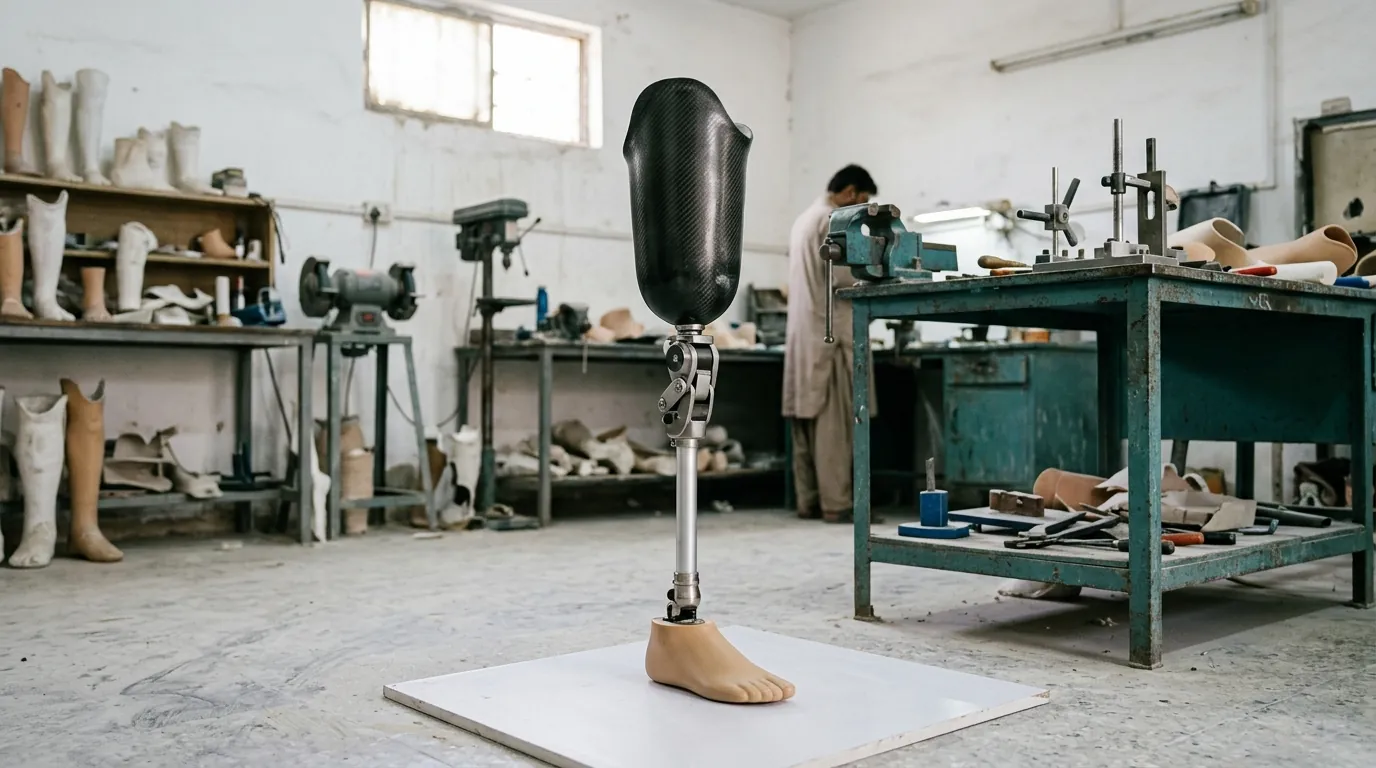
Knee disarticulation leg
A shorter, end-bearing thigh socket over a compact polycentric knee, pylon and foot.
Best forThrough-knee amputations with a healed, weight-bearing bone end
FromPKR 170,000
Through-knee and hip-level prostheses
When an amputation goes through the knee joint, or removes the leg at the hip, the socket and joints need a different design from a standard above-knee leg. These are fewer, more specialised fittings, and they take more time.
At a glance
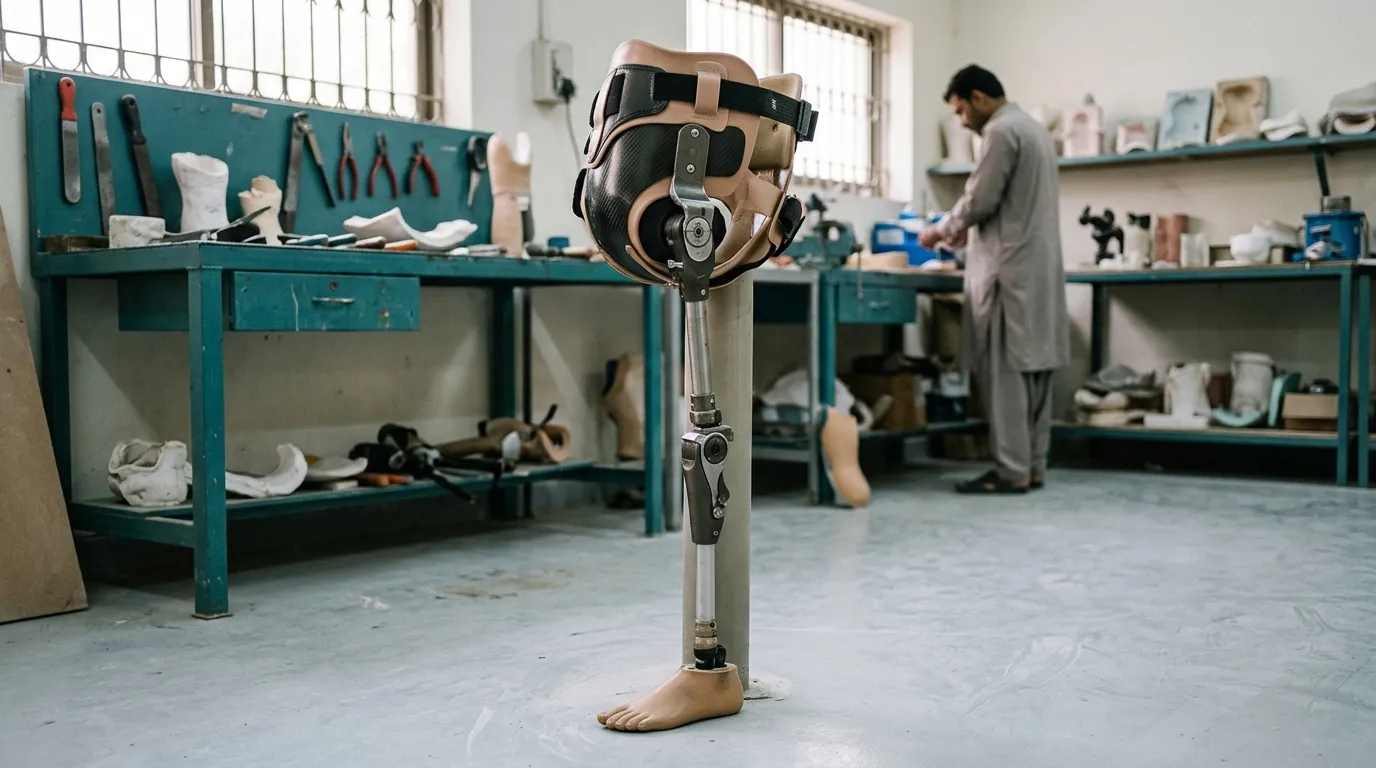
A knee disarticulation leg starts from PKR 170,000 (about US$610) and a hip disarticulation leg from PKR 300,000 (about US$1,080). Imported polycentric or hydraulic joints raise both, and a hemipelvectomy socket needs more casting and material.
Written and checked by the clinical team at Prosthetic Professionals. Last reviewed October 2026. General information only; your own surgeon or doctor decides when a limb is ready for fitting.
A knee disarticulation keeps the whole thigh bone. The end of the bone can usually take weight, so the socket can be lower and lighter than an above-knee socket, and the long thigh gives good control of the leg.
The catch is length. The prosthetic knee has to sit below the end of your thigh, so when you sit the knees do not quite line up. Polycentric knees built for this level fold up small and keep the difference to a minimum.
A hip disarticulation removes the whole leg, and a hemipelvectomy part of the pelvis as well. The socket becomes a moulded basket around the pelvis with a hip joint at the front. Walking is possible for many people, often with a stick, and we keep the leg as light as we can.
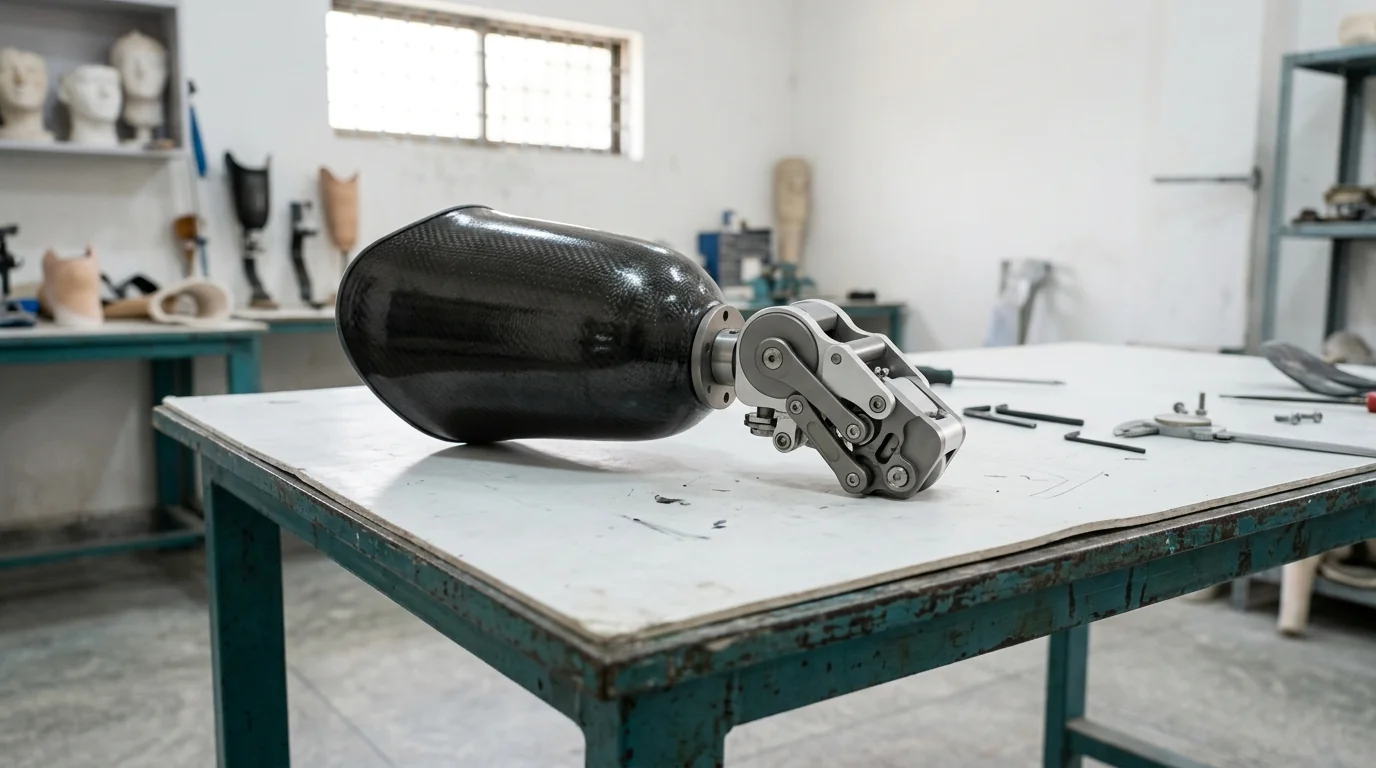
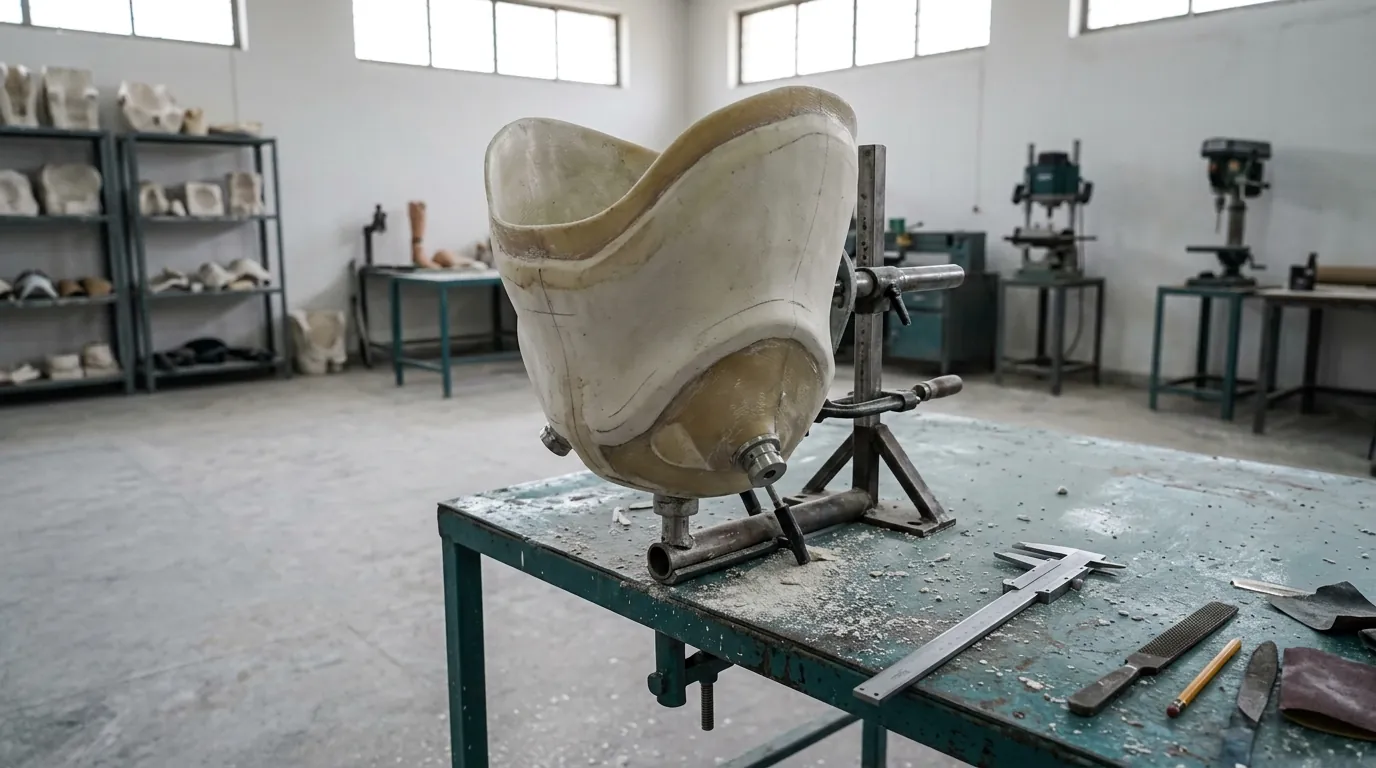
Each one starts from a cast and is checked in a test socket before anything is final.
A shorter, end-bearing thigh socket over a compact polycentric knee, pylon and foot.
Best forThrough-knee amputations with a healed, weight-bearing bone end
FromPKR 170,000
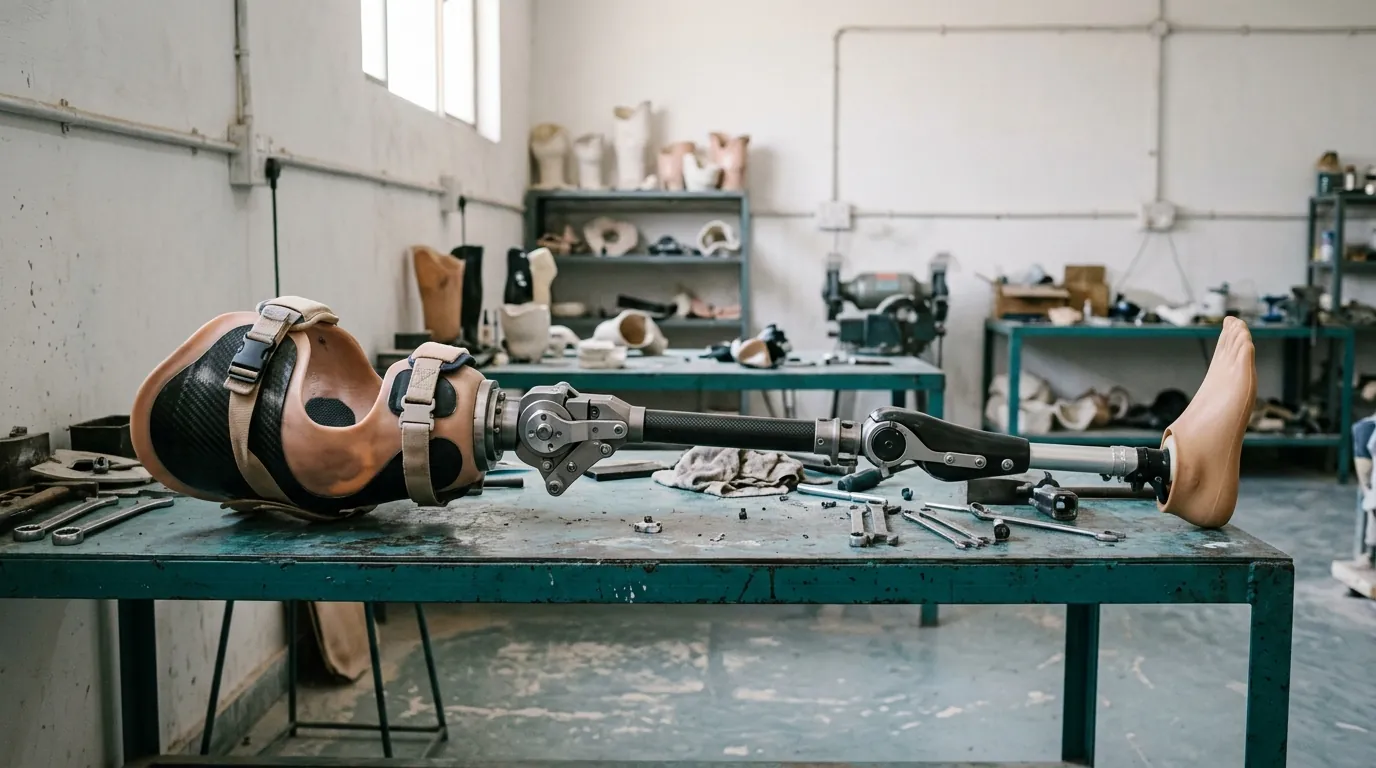
A pelvic socket with a hip joint, a stable knee and a light foot, set up so the leg stays straight and safe when you stand on it.
Best forAmputation at the hip joint, users who want to walk shorter distances
FromPKR 300,000
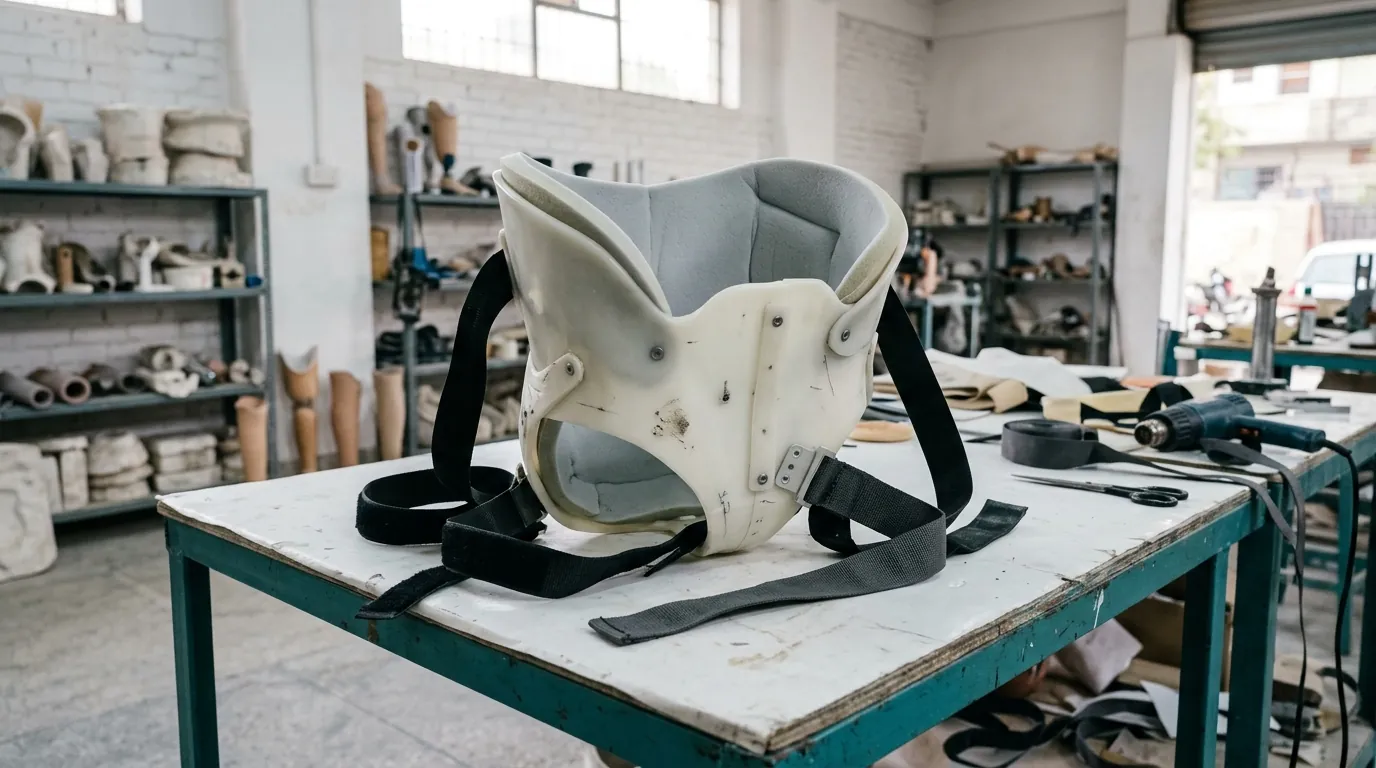
A deeper socket that wraps further around the trunk to carry weight where part of the pelvis is missing.
Best forAmputations that include part of the pelvis, often after cancer surgery
FromPKR 340,000
Hip-level legs vary most, because the socket is large and every joint is chosen for weight and safety.
| Build | What it usually includes | Typical range (PKR) | From (US$) |
|---|---|---|---|
| Knee disarticulation, everyday | Short end-bearing socket, polycentric knee, cushioned-heel foot | 170,000 to 350,000 | about 610 |
| Knee disarticulation, imported | Imported hydraulic or polycentric knee, carbon foot | 450,000 to 1,800,000 | about 1,620 |
| Hip disarticulation, everyday | Pelvic socket, hip joint, stable knee, light foot | 300,000 to 600,000 | about 1,080 |
| Hip disarticulation, imported | Imported hip joint and hydraulic knee | 700,000 to 3,500,000 | about 2,500 |
| Hemipelvectomy | Extended pelvic socket with the hip-level parts | 340,000 to 900,000 | about 1,220 |
Light components cost a little more and are usually worth it at this level. Converted at about PKR 278 to the US dollar, October 2026.
See every priceExpect three to five weeks in Karachi, because the sockets are larger and training takes longer.
Send photos of the limb, the operation notes and any recent scan. They show what is left of the bone and where the scars run.
We check sitting balance, trunk strength, skin over the pelvis or bone end, and how you move today.
The thigh or pelvis is cast standing or lying, depending on the level and your balance.
We test the socket standing, walking a few steps and sitting, because a pelvic socket must be comfortable on a chair.
Hip and knee are positioned against a laser line so the leg stays straight when you put weight on it.
Standing balance, short walks in the bars, sitting and standing, then walking with a stick.
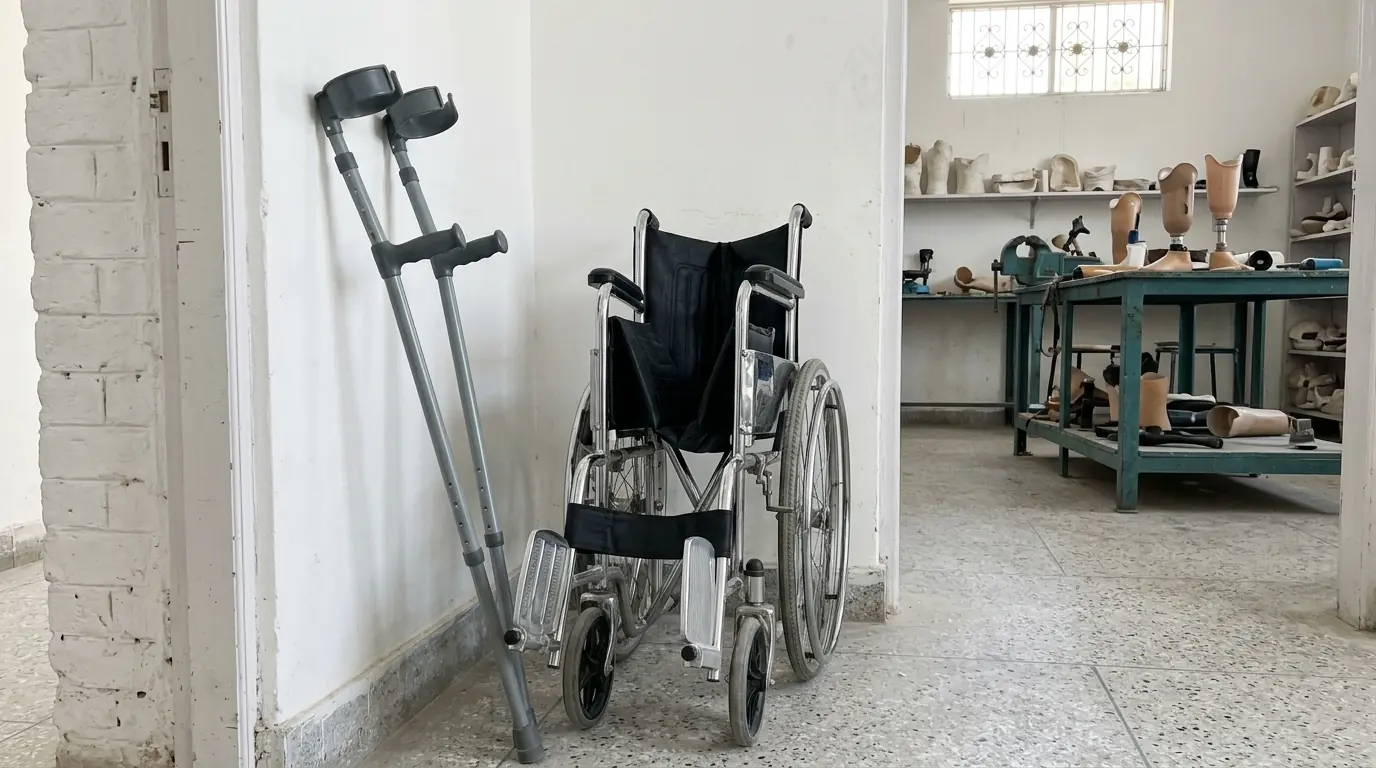
Some people decide after the test stage that crutches or a wheelchair suit their day better. That is a valid outcome, and we talk it through honestly with you.
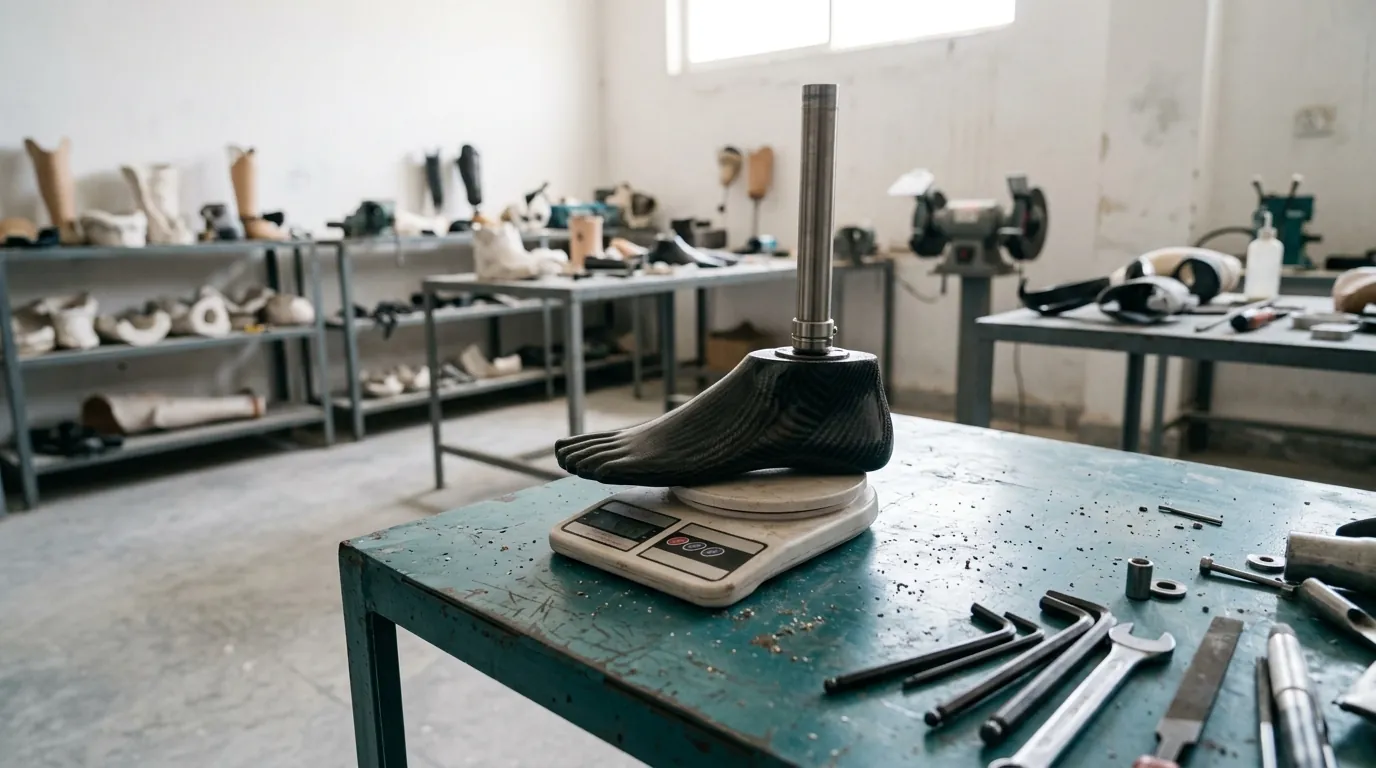
Weight is the enemy at hip level. Every gram of the leg has to be lifted by your trunk with each step, so we choose light pylons and feet, and avoid heavy parts unless they buy real safety.
Many hip disarticulation users walk at home and for short trips, and use crutches or a wheelchair for long distances. That is a sensible mix rather than a failure.
With a knee disarticulation, the end of the thigh bone can bear weight, so some users manage short distances at home on the limb end with a protective cap. Keep the skin over the bone end clean and check it daily.
Because the prosthetic knee sits below the end of your thigh bone. Compact polycentric knees made for this level reduce the difference, and most people stop noticing it under clothes.
It depends on strength, balance and what you want to do. Some older users walk well enough at home to make it worthwhile; others are safer and less tired in a wheelchair. We look at trunk strength and balance before recommending either.
A typical one weighs a few kilograms with the shoe on. We keep it as light as the joints allow, because a heavier leg tires you sooner.
Yes, if the knee is sound. We cast a new socket and reuse the knee, pylon and foot after checking them on the bench.
For hip-level and through-knee legs, a copy of the surgical notes and any recent scan helps us plan. WhatsApp them with photos of the limb and we will reply with a first view.